Add: No.8 Xinxing Street, North Zone, Zhengding High-tech Industrial Development Zone, Hebei, China
CONTACT US
+8615030171059


CONTACT US
+8615030171059
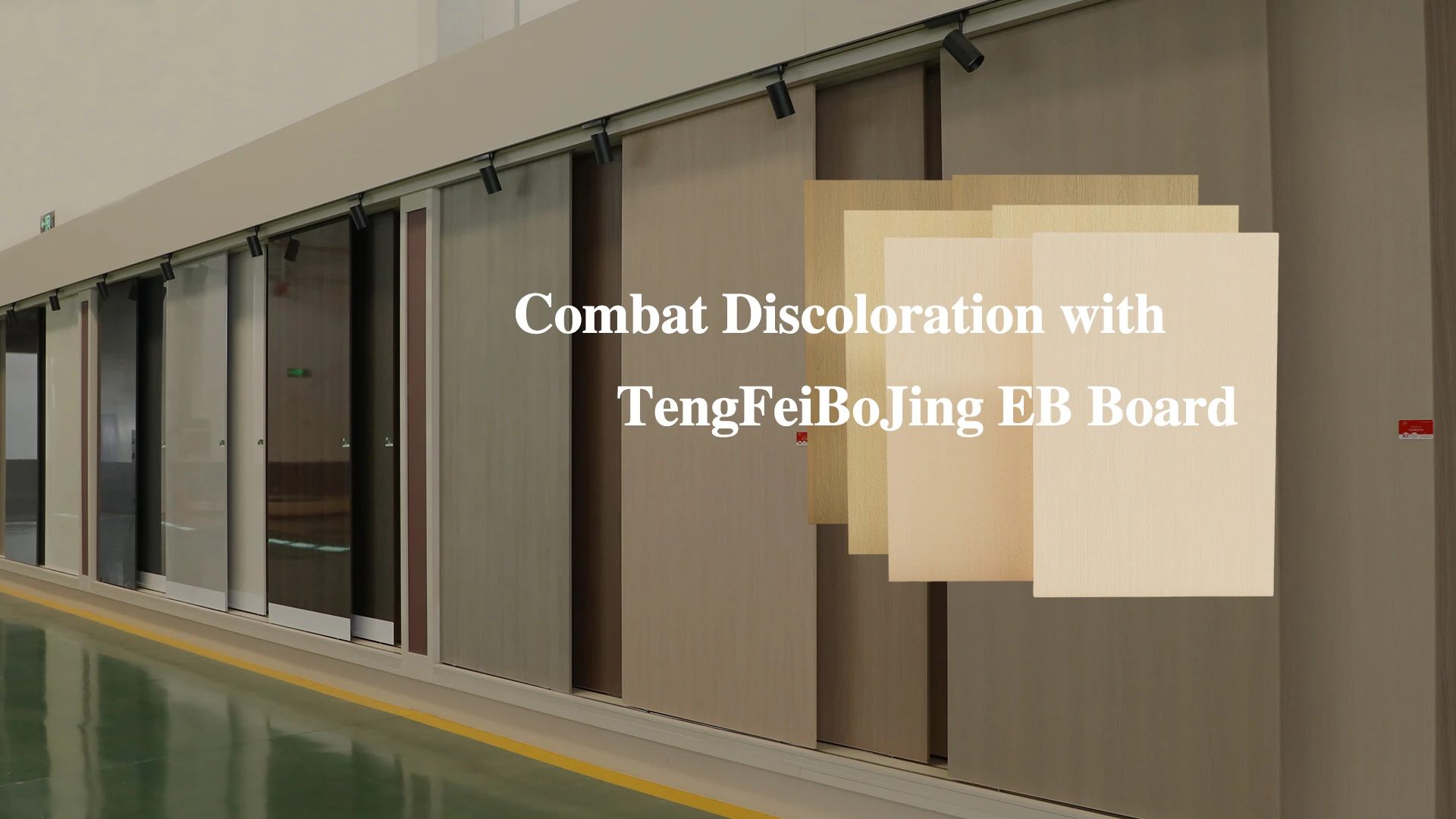
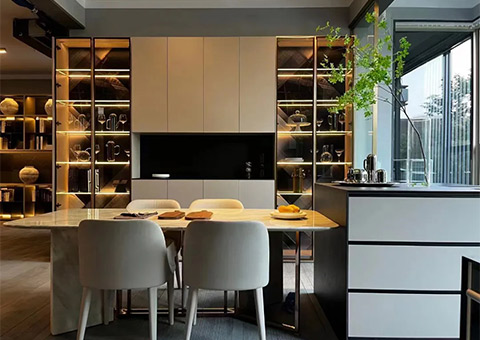
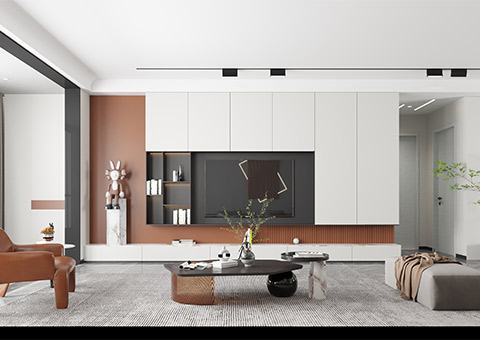
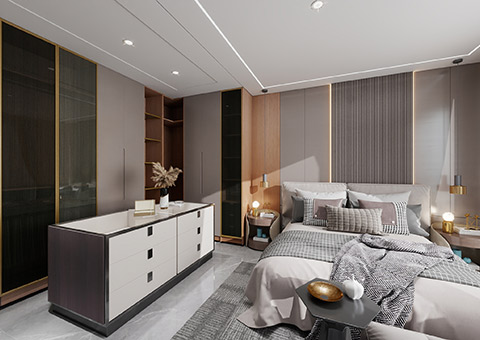
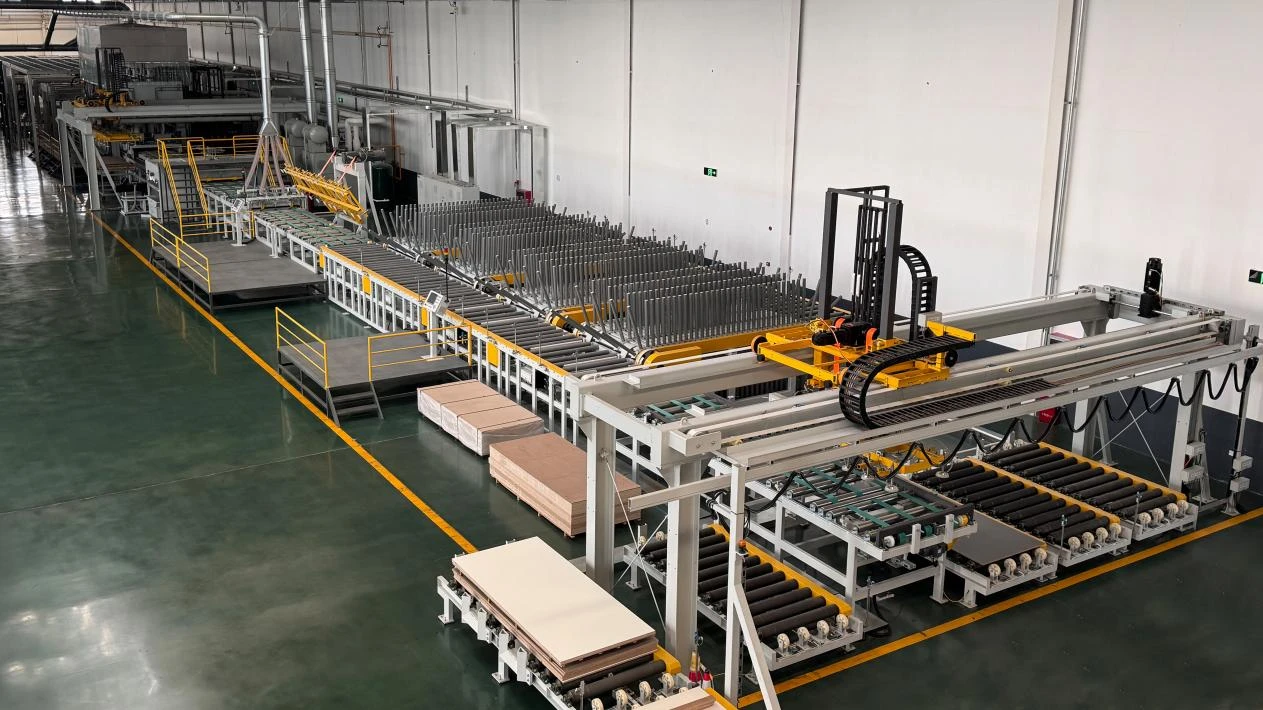
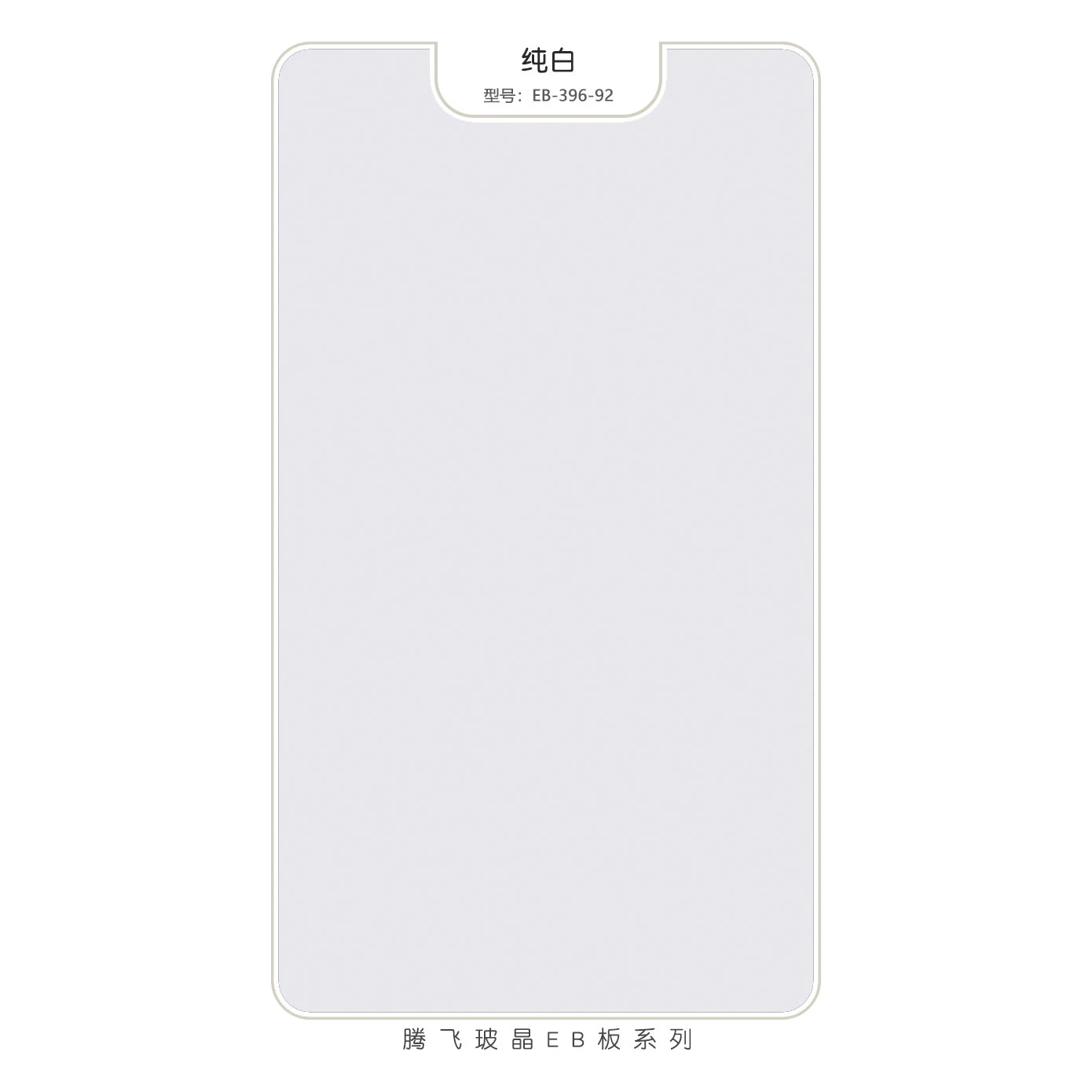
A Closer Look at PF1006G : the quietly reliable décor panel spec buyers keep asking about If you’ve sourced wood-based panels in the last year, you’ve probably noticed how fast décor SKUs come and go. Yet PF1006G keeps showing up on spec sheets—especially for hospitality, retail fixtures, and clean-looking office fitouts. I visited the team in Zhengding High-tech Industrial Development Zone (No.8 Xinxing Street, North Zone, Hebei, China) a while back, and to be honest, their process looked more “Tier-1” than the price would suggest. Why this model matters right now Two trends collide here: interiors are moving toward low-VOC, color-consistent surfacing, and buyers want faster lead times without gambling on quality. PF1006G targets that sweet spot—stable MDF core, a décor paper that resists day-to-day scuffs, and emissions that clear common global thresholds. In fact, several procurement managers tell me it’s been a safe “default” when design intent says modern, matte, and practical. Technical specifications (real-world use may vary) Core material MDF (plantation fiber) with UF/MUF resin, wax emulsion Density ≈700–760 kg/m³ (target 730 kg/m³) Thickness options 5–25 mm; common: 9/12/16/18 mm Surface Impregnated melamine décor, low-gloss/soft-matte Emissions E1 (≤0.124 mg/m³) or CARB Phase 2 compliant options Moisture content ≈6–10% Mechanical (typ.) Bending ≥20–25 MPa; IB ≥0.6 MPa; Swell (24h) ≈10–14% (EN/GB methods) Abrasion (surface) ≥350–600 revolutions (EN 14323, approximate class) Service life 10–15 years indoor, with normal handling Sheet size 2440×1220 mm standard; custom cuts available How it’s made (short version) Materials: plantation wood fiber, resin (UF/MUF mix depending on grade), wax; décor paper; melamine overlay. Methods: fiber refining → forming → hot pressing → sanding → melamine lamination (press texture) → trimming → QC. Testing: EN 310 (bending), EN 319 (IB), EN 317 (thickness swell), formaldehyde by EN 717-1 and/or CARB ATCM. Fire behavior by ASTM E84 or EN methods, on request. Where PF1006G gets used - Kitchen and wardrobe carcasses, door fronts (with matching edge band). - Retail fixtures, POS units—color holds under store lighting surprisingly well. - Hotel headboards and wall cladding; office partitions and worktops. - Education and healthcare joinery where low-VOC matters. Vendor comparison (spec buyer’s snapshot) Criteria Tengfei PF1006G Vendor A Vendor B Lead time ≈12–18 days ≈20–30 days ≈15–25 days Density tolerance ±25 kg/m³ ±40 kg/m³ ±35 kg/m³ Color ΔE (batch) ≤1.0–1.5 (typ.) ≤2.0 ≤2.5 Certs ISO 9001/14001, CARB, FSC (on request) ISO 9001 None listed Customization and QC Options include thickness, sheet size, texture emboss, gloss level, and matched 0.4–2.0 mm edge band. Color matching is spectro-verified; batches ship with COA. For projects, I’d ask for a humidity-cycle test and a cut-edge seal recommendation—especially for coastal installs. Mini case notes (field feedback) - Boutique hotel (Guangzhou): PF1006G wall panels; maintenance team liked the scratch resistance after 6 months of trolley traffic. - Modular office fitout (EU): panels passed EN 717-1 chamber test; client noted “no new-material smell,” which is rare, frankly. - Retail chain (humid South China): with sealed edges, shelving stayed flat through rainy season—small win, big relief. Certifications and references Commonly supplied with ISO 9001/14001, CARB Phase 2 documentation, and FSC upon request. European projects often tag EN 13986 conformity; Chinese domestic specs lean on GB/T 11718 for MDF core performance. Bottom line: If you need a pragmatic, low-drama panel, PF1006G is one of those SKUs that quietly does the job—and that’s sometimes exactly what the project needs. EN 13986: Wood-based panels for use in construction – Characteristics, evaluation of conformity and marking. CARB ATCM 93120 (Phase 2): Formaldehyde Emissions for Composite Wood Products. GB/T 11718: Medium Density Fiberboard (MDF) – Chinese National Standard. ISO 9001 and ISO 14001: Quality and Environmental Management Systems.